Prebiotics vs probiotics for weight management: the MatchaTide guide

Updated 3 September 2026 · reviewed by the MatchaTide Research Team. We are an independent information resource, not a medical provider, and this article is educational rather than medical advice.
Prebiotics and probiotics are two halves of the same idea: probiotics are the live beneficial bacteria you add to your gut, and prebiotics are the fibres that feed them. For weight management, both matter — because the community of microbes they support helps shape metabolism, digestion and appetite. This guide explains how each works, how they work together, and how MatchaTide uses both.
Prebiotics vs probiotics, and why weight-focused formulas use both.
- Probiotics
- Live beneficial bacteria — the “reinforcements” you add to the gut community.
- Prebiotics
- Fibres like inulin and resistant starch that feed those bacteria — the fuel.
- The weight link
- Gut bacteria influence appetite hormones, fibre fermentation and how energy is extracted from food.
- Better together
- Combining both — a synbiotic approach — feeds and reinforces the gut at the same time.
- MatchaTide’s take
- Two prebiotic fibres plus a three-strain probiotic blend in one daily capsule.
Walk down any supplement aisle and you will see “probiotic” on dozens of labels and “prebiotic” on a growing number more. They sound similar and are easy to confuse, but they play different roles — and understanding the difference is the key to using them well. Let us start with the place they both act: the gut.

What is the gut microbiome?
Your gut is home to trillions of microorganisms — bacteria, and others — collectively called the gut microbiome; a careful re-estimate put the count at roughly 3.8 × 10¹³ bacteria, about the same order as the number of cells in the body rather than the ten-to-one ratio often repeated (Sender R et al., Revised estimates for the number of human and bacteria cells in the body, PLoS Biology, 2016). Far from passengers, they are active participants in your health. They ferment the fibre you cannot digest into short-chain fatty acids such as butyrate, propionate and acetate — the main chemical currency between the microbiome and the rest of the body (Koh A et al., From dietary fiber to host physiology: short-chain fatty acids as key bacterial metabolites, Cell, 2016) — help train your immune system, and send signals that influence hunger and fullness. A microbiome that is diverse and balanced tends to support a smoother-running metabolism; when it drifts, digestion and appetite can feel harder to manage.
What are probiotics?
Probiotics are, by the international consensus definition, live micro-organisms that when administered in adequate amounts confer a health benefit on the host (Hill C et al., ISAPP consensus statement on the scope and appropriate use of the term probiotic, Nature Reviews Gastroenterology & Hepatology, 2014) — in practice, live bacteria intended to add to or reinforce your existing gut community. Different strains do different things, which is why a strain name (like Bifidobacterium infantis) matters more than the broad word “probiotic.” You get them from fermented foods — yoghurt, kefir, sauerkraut, kimchi — and from supplements that deliver specific, measured strains.
What are prebiotics?
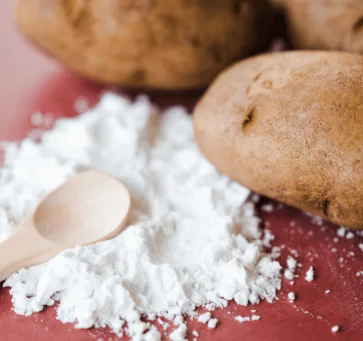
Prebiotics are the fibres that beneficial bacteria eat. They pass through the upper digestive tract undigested and reach the colon, where microbes ferment them for fuel. The consensus definition is narrower than everyday use: a prebiotic is a substrate selectively used by host micro-organisms that confers a health benefit, and inulin is the archetype that definition names (Gibson GR et al., ISAPP consensus statement on the definition and scope of prebiotics, Nature Reviews Gastroenterology & Hepatology, 2017). The best-known prebiotics are inulin (from chicory root and many vegetables) and resistant starch (from potatoes, green bananas, and cooked-then-cooled grains and legumes) — both of which you can also get straight from the plate, as our guide to the best high-fibre foods for gut health sets out. Think of it this way: if probiotics are the plants, prebiotics are the fertiliser.
| Probiotics | Prebiotics | |
|---|---|---|
| What they are | Live beneficial bacteria | Fibres that feed bacteria |
| Food sources | Yoghurt, kefir, kimchi, sauerkraut | Chicory, onions, garlic, oats, legumes, cooled potatoes |
| Main job | Add reinforcements to the gut | Feed the bacteria already there |
| In MatchaTide | 3-strain probiotic blend (36 mg) | Chicory inulin (211 mg) + resistant starch (100 mg) |
How does this connect to weight?
Weight is never about one thing, but the gut is an increasingly studied piece of the puzzle. Researchers reported two decades ago that the makeup of the microbiome differs, on average, between leaner and heavier individuals (Ley RE et al., Microbial ecology: human gut microbes associated with obesity, Nature, 2006), and a much-cited experiment showed that transplanting gut bacteria from human twins discordant for obesity transferred part of that phenotype into mice (Ridaura VK et al., Gut microbiota from twins discordant for obesity modulate metabolism in mice, Science, 2013) — a mouse finding, not a human one. Gut bacteria are thought to influence three things that matter for weight: appetite signalling (through hormones that affect fullness), fibre fermentation (which produces short-chain fatty acids like butyrate), and energy harvest (how efficiently calories are extracted from food). None of this makes the gut a magic switch — but it does make a balanced microbiome a sensible thing to support alongside diet and activity.
See how MatchaTide supports your gut →
Prebiotics or probiotics — which should you take?
The honest answer for most people is both. Probiotics without prebiotics are reinforcements without supplies; prebiotics without probiotics feed whatever is already there, good or otherwise. A formula that combines the two — sometimes called a synbiotic — aims to cover both sides at once: feed the beneficial bacteria and add proven strains to the mix.
How MatchaTide combines them
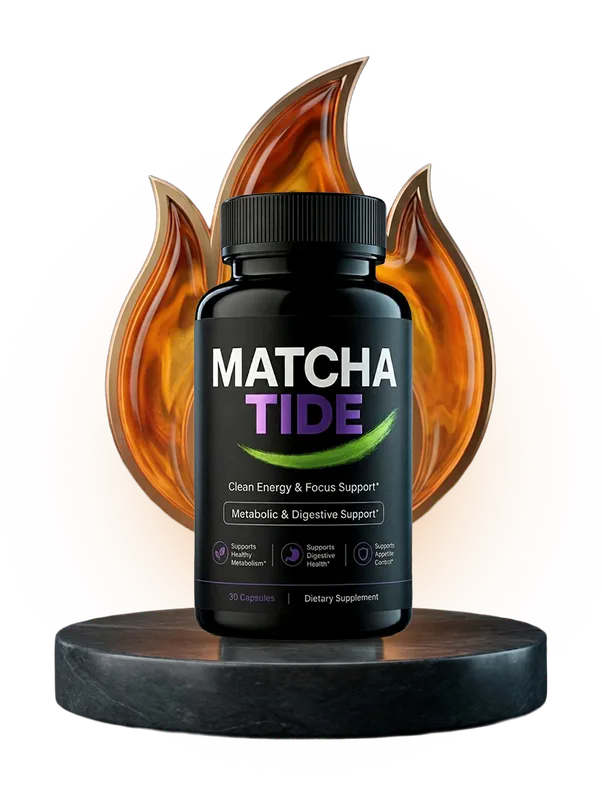
MatchaTide is built on exactly this synbiotic logic. Each capsule delivers two prebiotic fibres and a three-strain probiotic blend, all quantified on the label:
| Ingredient | Amount | Role |
|---|---|---|
| Chicory Root Inulin | 211 mg | Soluble prebiotic fibre |
| Potato Resistant Starch | 100 mg | Prebiotic fibre that reaches the colon intact |
| Bifidobacterium infantis | Blend (36 mg) | Common probiotic for digestive balance |
| Clostridium butyricum | Blend (36 mg) | Butyrate-producing species reviewed for its role in health and disease (Stoeva MK et al., Butyrate-producing human gut symbiont, Clostridium butyricum, and its role in health and disease, Gut Microbes, 2021) |
| Akkermansia muciniphila | Blend (36 mg) | Next-generation species; a small proof-of-concept human study is the nearest evidence (Depommier C et al., Supplementation with Akkermansia muciniphila in overweight and obese human volunteers: a proof-of-concept exploratory study, Nature Medicine, 2019) |
The idea is simple: feed the good bacteria with fibre, reinforce them with targeted strains, and make the whole thing a one-a-day habit. For the full label and references, see the ingredients section, and for the everyday habits that surround it, read how to support healthy weight loss naturally.

Feed and reinforce your gut, daily
MatchaTide pairs prebiotic fibre with a three-strain probiotic blend in one capsule. The six-bottle bundle is the best value at $49 per bottle, with free U.S. shipping and a 60-day guarantee.
Order MatchaTide — from $49/bottleHow to get more prebiotics and probiotics from food
Supplements are a convenient top-up, not a replacement for a varied diet. To feed your gut from the plate: eat a wide range of plants each week, include fermented foods you enjoy, and cook-then-cool starchy foods like potatoes, rice and pasta to boost their resistant-starch content. Increase fibre gradually and drink plenty of water, so your gut has time to adjust.
A note on expectations and safety
Prebiotics and probiotics are a support, not a cure, and they are not a substitute for the fundamentals of diet, movement and sleep. Most healthy adults tolerate them well, though a temporary rise in gas or bloating can happen as the gut adjusts to more fibre — usually easing within a week or two. If you are pregnant or nursing, immunocompromised, under 18 or taking medication, speak with your doctor before starting any new supplement.
Frequently asked questions
What is the difference between prebiotics and probiotics?
Probiotics are live beneficial bacteria you add to your gut, while prebiotics are the fibres that feed them. Probiotics are the plants; prebiotics are the fertiliser. Most gut-support routines use both together.
How does the gut microbiome affect weight?
Gut bacteria help ferment fibre, influence appetite hormones and affect how efficiently the body extracts and stores energy from food. A diverse, balanced microbiome is increasingly linked to healthier metabolism, though it is one factor among many.
Should I take prebiotics or probiotics for weight?
Most people benefit from both. Prebiotic fibre feeds the bacteria already present, and probiotic strains add reinforcements. Formulas that combine them, sometimes called synbiotics, aim to cover both sides at once.
What does MatchaTide use?
MatchaTide pairs two prebiotic fibres — 211 mg chicory inulin and 100 mg potato resistant starch — with a 36 mg probiotic blend of Bifidobacterium infantis, Clostridium butyricum and Akkermansia muciniphila, in one daily capsule.
Are prebiotics and probiotics safe?
For most healthy adults they are well tolerated, though a temporary increase in gas or bloating can occur while the gut adjusts to more fibre. If you are pregnant, nursing, immunocompromised or on medication, ask your doctor first.
How long until prebiotics and probiotics help?
The gut can shift within days, but a more stable balance and any related benefits generally build over several weeks to a few months of consistent daily use, and results vary from person to person.
Try MatchaTide risk-free for 60 days →
MatchaTide is a dietary supplement, not a treatment for any medical condition. These statements have not been evaluated by the Food and Drug Administration. This product is not intended to diagnose, treat, cure or prevent any disease. Always consult a qualified healthcare professional about your individual needs.
References & further reading
- Hill C, Guarner F, Reid G, et al. ISAPP consensus statement on the scope and appropriate use of the term probiotic. Nature Reviews Gastroenterology & Hepatology, 2014. PMID 24912386
- Gibson GR, Hutkins R, Sanders ME, et al. ISAPP consensus statement on the definition and scope of prebiotics. Nature Reviews Gastroenterology & Hepatology, 2017. PMID 28611480
- Sender R, Fuchs S, Milo R. Revised estimates for the number of human and bacteria cells in the body. PLoS Biology, 2016. PMID 27541692
- Koh A, De Vadder F, Kovatcheva-Datchary P, Bäckhed F. From dietary fiber to host physiology: short-chain fatty acids as key bacterial metabolites. Cell, 2016. PMID 27259147
- Ley RE, Turnbaugh PJ, Klein S, Gordon JI. Microbial ecology: human gut microbes associated with obesity. Nature, 2006. PMID 17183309
- Ridaura VK, Faith JJ, Rey FE, et al. Gut microbiota from twins discordant for obesity modulate metabolism in mice. Science, 2013. PMID 24009397
- Depommier C, Everard A, Druart C, et al. Supplementation with Akkermansia muciniphila in overweight and obese human volunteers: a proof-of-concept exploratory study. Nature Medicine, 2019. PMID 31263284
- Cani PD, Depommier C, Derrien M, et al. Akkermansia muciniphila: paradigm for next-generation beneficial microorganisms. Nature Reviews Gastroenterology & Hepatology, 2022. PMID 35641786
- Stoeva MK, Garcia-So J, Justice N, et al. Butyrate-producing human gut symbiont, Clostridium butyricum, and its role in health and disease. Gut Microbes, 2021. PMID 33874858
- Micka A, Siepelmeyer A, Holz A, et al. Effect of consumption of chicory inulin on bowel function in healthy subjects with constipation: a randomized, double-blind, placebo-controlled trial. International Journal of Food Sciences and Nutrition, 2017. PMID 27492975
- National Center for Complementary and Integrative Health (NCCIH). Probiotics: What You Need To Know. nccih.nih.gov/health/probiotics-what-you-need-to-know
- National Institutes of Health, Office of Dietary Supplements. Dietary Supplement Fact Sheets. ods.od.nih.gov/factsheets/list-all
These references describe the ingredients in general terms and do not constitute evidence that any product treats, cures or prevents any condition.
Keep reading: how to support healthy weight loss naturally · best high-fibre foods for gut health · back to the MatchaTide blog · homepage.